Conflicting opinions
One expert says buy. Another says sell. Every new opinion makes the decision feel less clear.
15 practical tools · One repeatable process
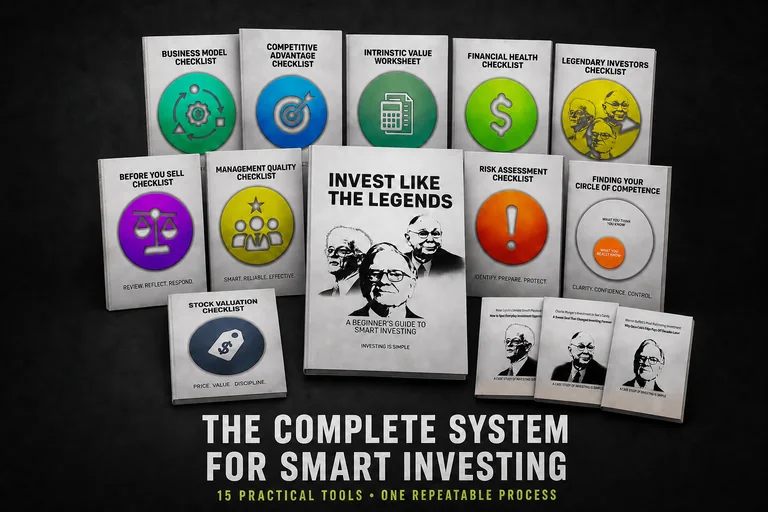
A practical stock-research system inspired by Warren Buffett, Charlie Munger and Peter Lynch, designed to help everyday investors understand businesses, assess quality, estimate value and make more disciplined decisions.
One-time purchase · 15 practical tools · Immediate digital delivery
For educational purposes only. No stock tips, predictions or guaranteed returns.
The individual investor’s dilemma
They lack a reliable way to turn that information into a clear decision when their own money is on the line.
One expert says buy. Another says sell. Every new opinion makes the decision feel less clear.
You check news, ratios and price charts, but still do not know which facts actually matter.
A convincing story creates urgency. A falling price creates fear. Your process changes with your mood.
You keep researching, yet never feel certain enough to explain why the business is worth owning.
That is how investing becomes a cycle of collecting ideas, second-guessing decisions and reacting to price movements.
Invest Like The Legends gives you a structured way to understand the business, test your assumptions and document the reasoning behind your decision.
It will not tell you what stock to buy.
It gives you a process for deciding for yourself.
FROMFollowing tips
→TOConducting your own research
FROMWatching prices
→TOUnderstanding businesses
FROMReacting emotionally
→TOReviewing evidence
FROMChasing popular stocks
→TOStaying inside your circle of competence
FROMGuessing at value
→TOWorking through a valuation framework
FROMSelling from fear
→TORevisiting the original investment case
Use the tools together as one complete system, or open the one you need for a specific part of your analysis.
An introduction to the long-term, business-focused principles associated with Buffett, Munger and Lynch.
Identify the industries, products and business models you understand well enough to evaluate.
Break down how a company makes money, serves customers and sustains its economics.
Look for durable advantages that may help protect a company’s position and profitability.
Assess leadership, capital allocation, incentives, communication and shareholder alignment.
Review the company’s balance sheet, profitability, cash generation and financial resilience.
Consider whether the market price is reasonable in relation to the quality and economics of the business.
Work through a structured estimate of the company’s underlying value and the assumptions behind it.
Identify the business, financial, competitive and valuation risks that could undermine the investment case.
Bring the major principles together into one final review before making an investment.
Separate a genuine deterioration in the investment case from temporary volatility and emotional pressure.
Use practical mental models to examine decisions from multiple perspectives and challenge your assumptions.
See how long-term investing principles apply through examples inspired by Warren Buffett, Charlie Munger and Peter Lynch.
The case studies demonstrate the thinking process. They are not recommendations to buy the featured investments today.The system was designed to be used while you research real companies.
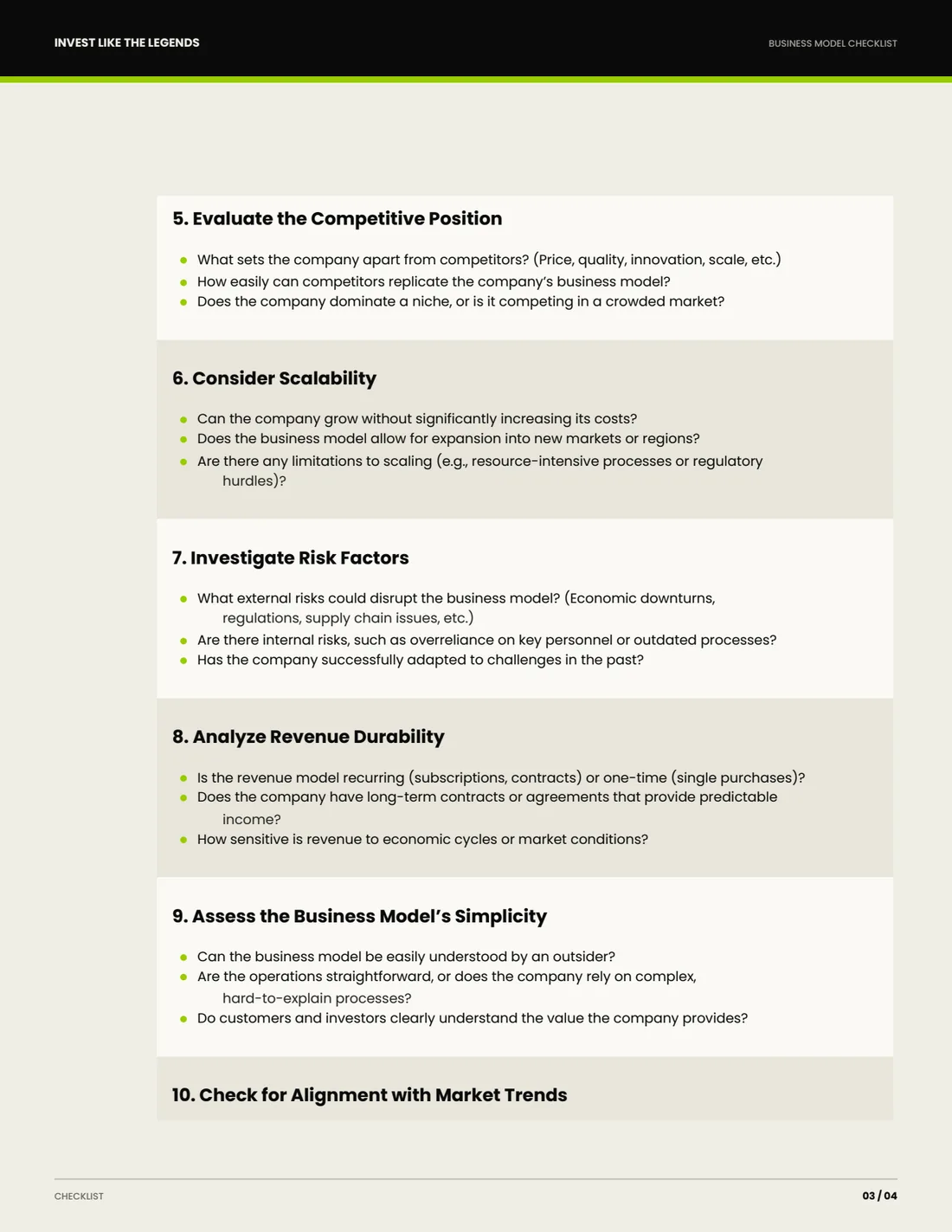
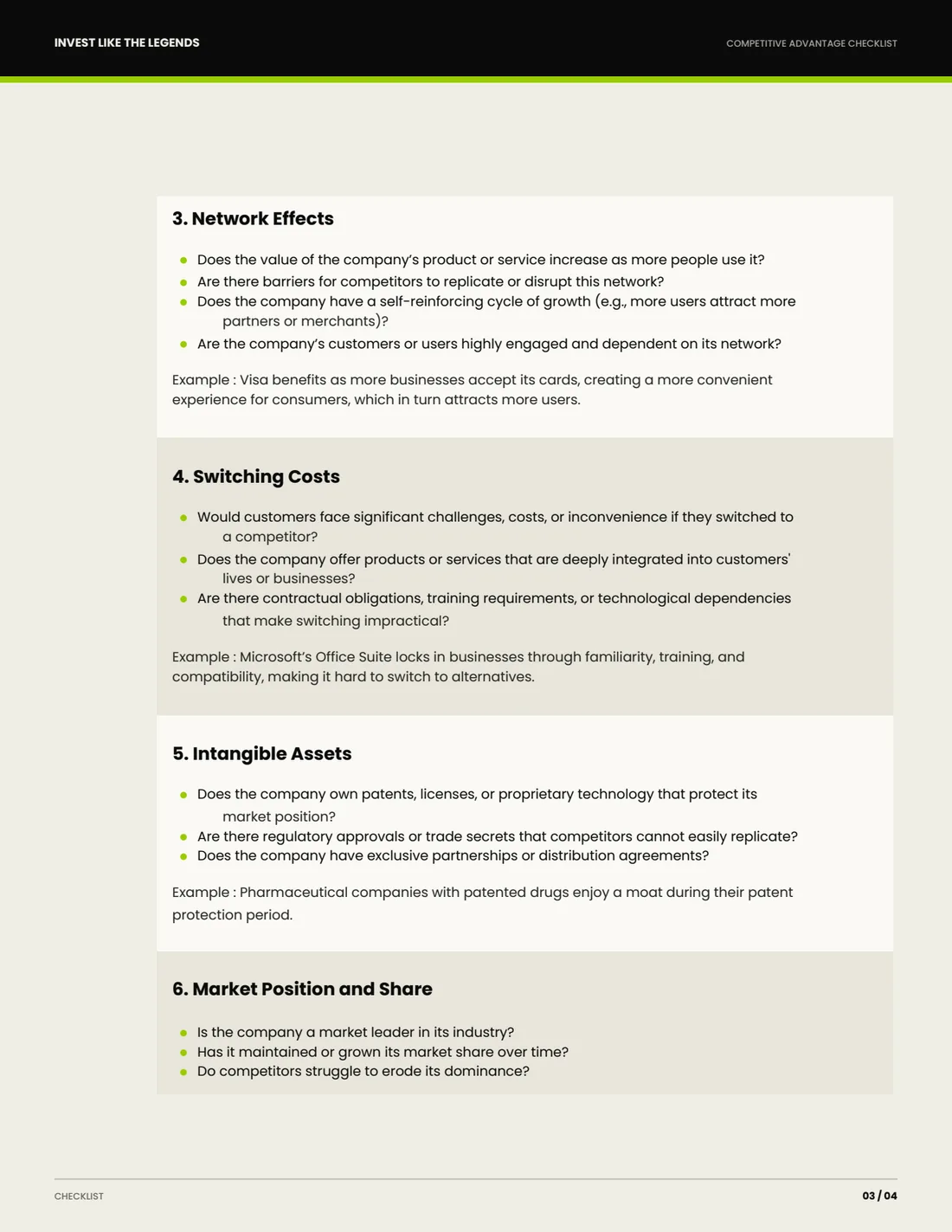
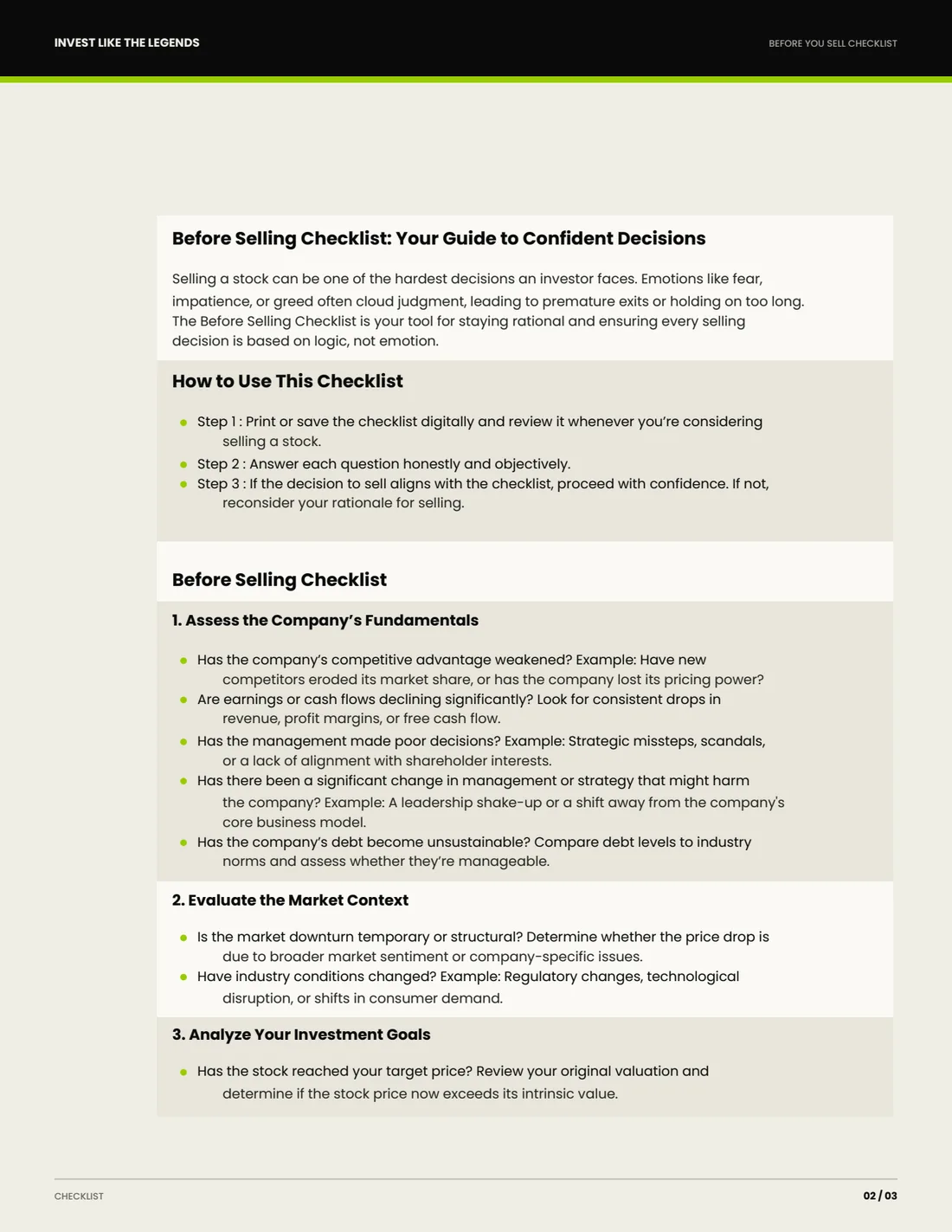
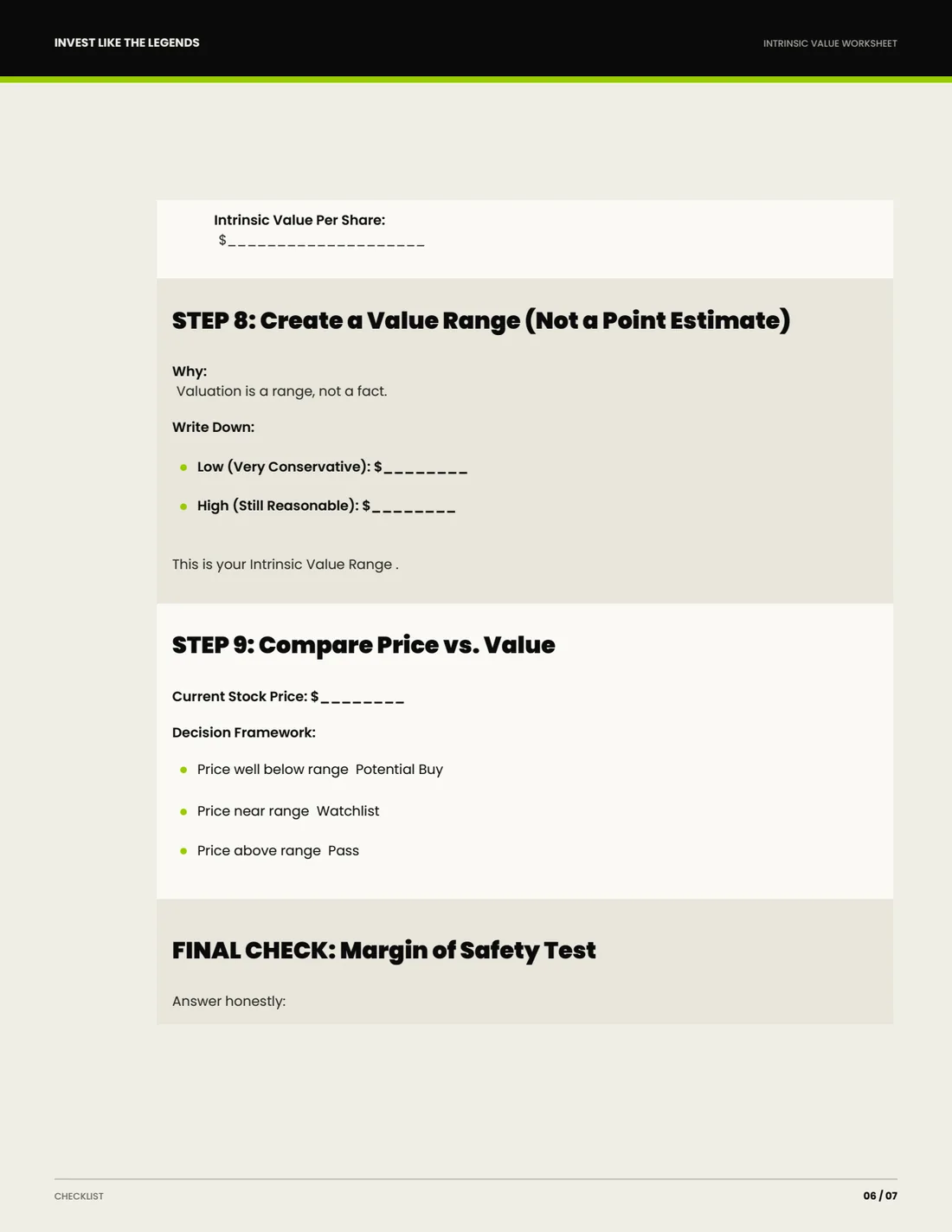
Preview pages are shown for demonstration. Your purchase includes the complete downloadable resources.
Open the relevant checklist, work through each question and record what you discover. When you reach a conclusion, you will have a documented investment case rather than a decision based on a headline, price movement or someone else’s opinion.
THIS SYSTEM IS FOR YOU IF:
THIS SYSTEM IS NOT FOR YOU IF:


I started investing in 2017, at 19, with plenty of information and no reliable process for turning it into a decision.
Like many beginners, I believed finding good investments meant following the news, watching predictions and discovering the next exciting opportunity before everyone else.
Instead of creating confidence, it made me overwhelmed and reactive. I was consuming more information while following no consistent method.
Studying Warren Buffett, Charlie Munger and Peter Lynch changed how I viewed investing. The most important lesson was not a particular stock or valuation formula. It was learning to treat stocks as ownership interests in real businesses.
Over the next five years, I tested those principles while researching companies and refined them into a repeatable process. I organized what I learned into practical questions, checklists and worksheets I could use every time I analyzed a business.
Invest Like The Legends is the framework I wish I had when I started. It is designed to help individual investors move beyond tips and predictions and begin developing their own disciplined research process.
Messages from investors who used the tools to research more carefully and act with greater discipline.
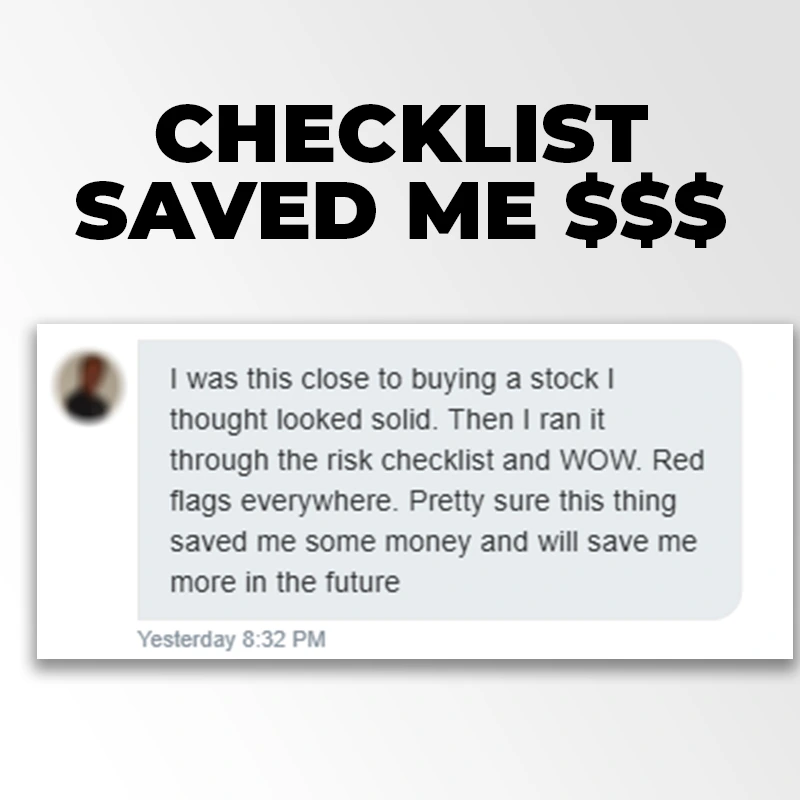

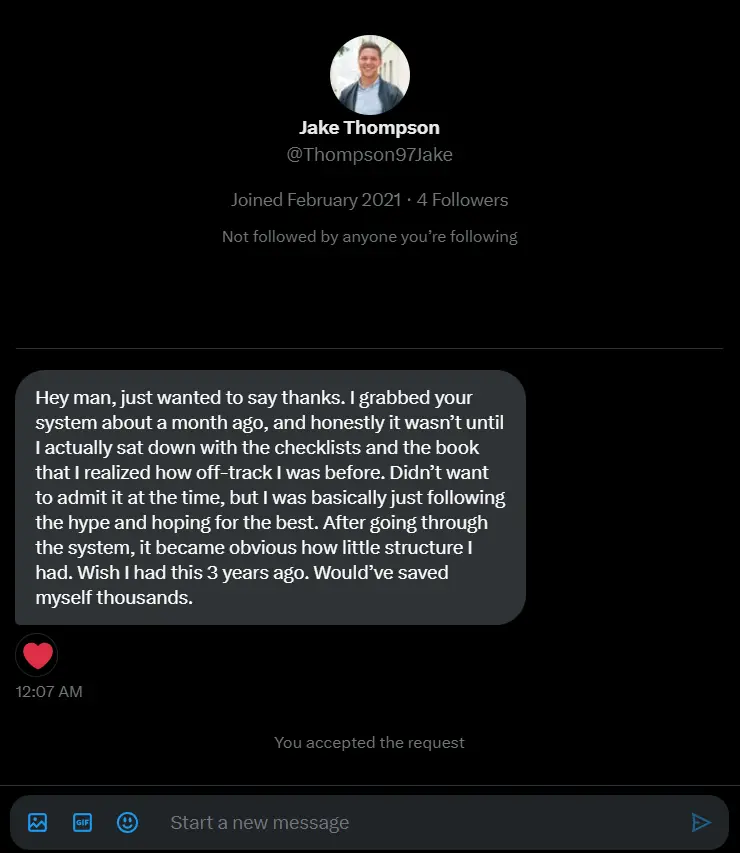

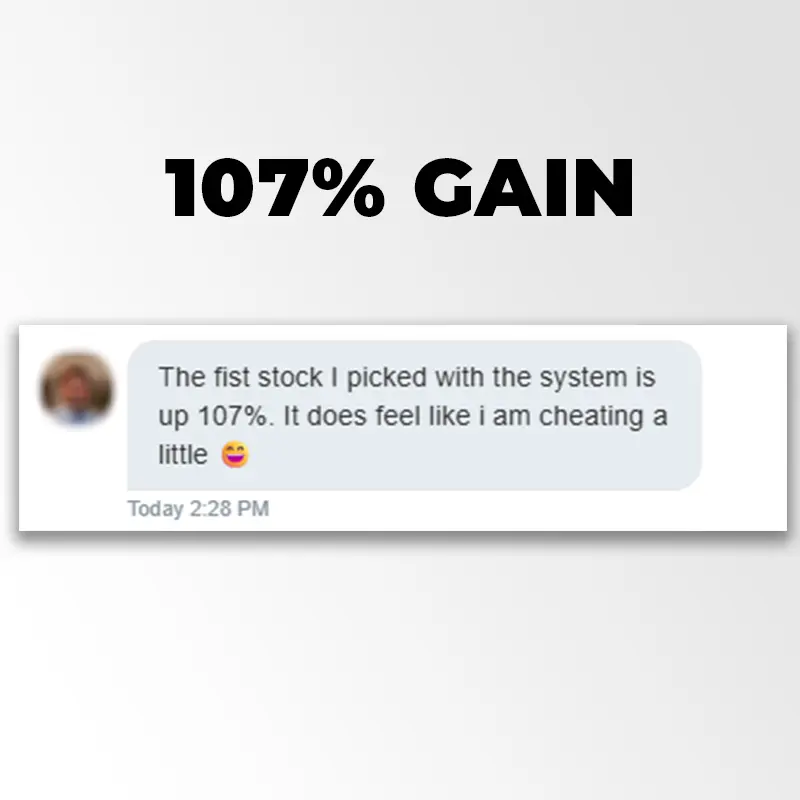
Individual experiences are shown for illustration only. They do not guarantee investment results.
THE COMPLETE SYSTEM FOR SMART INVESTING
ONE-TIME PURCHASEGet 15 practical guides, checklists, worksheets and case studies covering:
One-time purchase
Immediate digital delivery
No subscription
Yes. The Beginner’s Guide introduces the fundamental ideas, while the checklists help you apply them in a structured way. You do not need a finance degree, but you should be willing to learn, conduct research and think carefully about your decisions.
No. It does not provide stock picks, personalized recommendations or instructions to buy or sell a particular security. It provides educational frameworks you can use when conducting your own research.
The system is delivered as a downloadable ZIP containing multiple digital guides, checklists, worksheets and case studies.
Yes. The included PDFs can be viewed digitally or printed for personal use.
No. It is a self-guided collection of practical resources. There are no scheduled lessons or recurring subscription payments.
After purchasing through Kit, you will receive an email containing access to your download.
No investment outcome can be guaranteed. The system is intended to help you research investments more systematically and make decisions using a documented process. Your results will depend on your analysis, judgment, behavior and market conditions.
No. The materials are provided for general educational and informational purposes and do not constitute personalized investment, financial, tax or legal advice.
Build a repeatable framework for understanding businesses, evaluating value and making more disciplined investment decisions.